
Vendor Security Gap
These days, because of the proliferation of cyber threats, a large number of companies spend a lot on cybersecurity measures. Most IT teams for these companies install powerful firewalls and educate workers on phishing attacks. In managing information services, once such steps have been taken, leaders tend to feel secure regarding protection. However, security threats do not tend to end at the company boundaries. Most of the time, company and IT leaders overlook the presence of vendors who are related to your operations that influence your security posture.
Businesses Managing Information Services Often Overlook This Important Factor
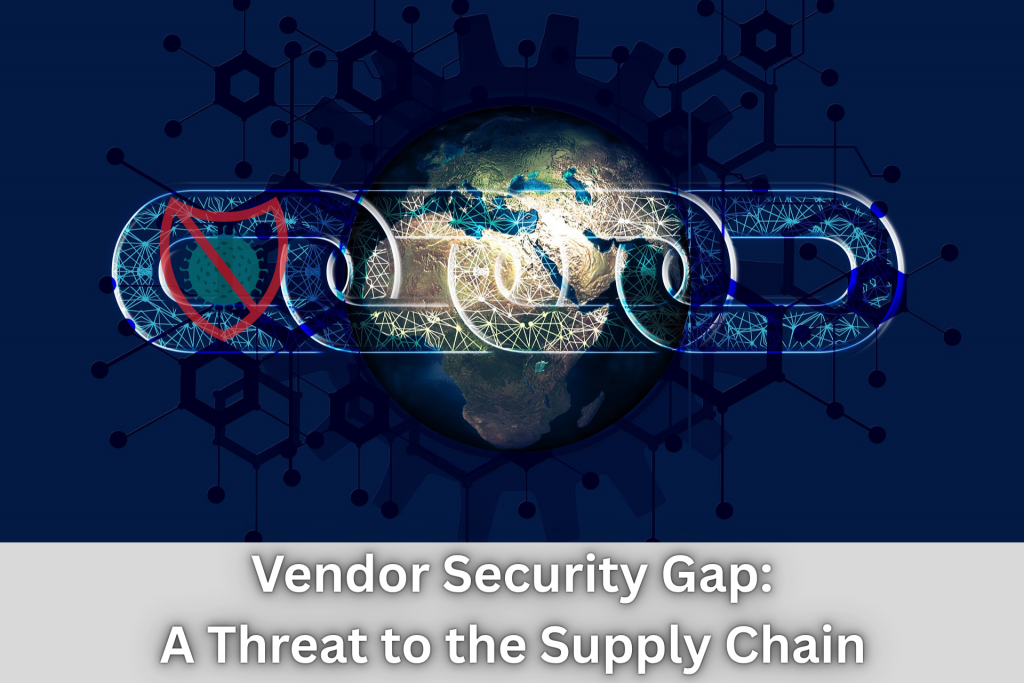
According to experts in managing information services, these hidden portals of entry may come in the form of your accounting company, hosting service, and, even, marketing software. This is because they are all online and connected to your business. As such, a potential entry point is created by every vendor relationship. So, when security gaps are created by one partner, an attacker can easily exploit the gaps. As a result of this weakness, it unknowingly becomes an entry point into your systems. Hence, creating a cybersecurity trap in the supply chain.
Unfortunately, hackers are also well aware of this weakness, says experts in managing information services. This is especially alarming since they have already recognized that it is usually easier to breach smaller vendors who do not possess effective cybersecurity measures. As such, once trusted vendors have been accessed, the attackers use them to enter into bigger targets. An example of this is the SolarWinds attack where hacked patches sneakily opened thousands of networks.
One Vendor Breach Can Spread Across Businesses
Attackers usually take advantage and seek valuable data when a vendor is compromised, which usually includes customer records. On top of this, criminals are also interested in financial information as well as intellectual property. Hence, hackers can steal your data in a short time when affiliated vendors store or process it, explains cybersecurity experts managing information services.
Additionally, vendor systems can also be employed by attackers to initiate further attacks. Because of that, malicious activity may seem legitimate since it is generated by trusted systems. As such, this trick assists the attackers in evading security surveillance systems since traffic by known partners can be trusted by your own defenses. Unfortunately, once they infiltrate, the effects can rip through your organization. This results in an instant loss of data, and this failure to safeguard sensitive information may result in regulatory penalties. On top of that, customers may lose confidence and trust because of reputational damage. Furthermore, the exorbitant cost of disaster recovery quickly follows.
Professionals in Managing Information Services Exposes Hidden Costs of Vendor Incidents
As mentioned above, vendor breach generates more than direct financial harm. Because of this, your internal departments should act on threats. This means IT experts put normal projects on hold to investigate suspicious activity and turn their attention to damage control. This includes forensic investigations that may require days or even weeks. Additionally, teams examine system logs and security notifications. They also change passwords, credentials, and access permissions within a short time. On top of this, customers and partners also need to be communicated with each other.
Unfortunately, managing information services professionals explain that these operations interfere with normal operations. Hence, strategic initiatives can become slower or become stagnant, and workflows get more difficult to sustain daily. Situations like this also lead to staff stress when the incident response is lengthy.
Evaluating Vendor Security Before Trusting Access
Given the real threat from this often-overlooked variable, vendor security checks are essential in mitigating third-party cyber risks. Aside from that, it replaces blind trust with proven security evidence. In line with this, evaluations of their cybersecurity status must be included in the considerations prior to vendor contract signing. Moreover, they should also be maintained throughout the partnership. As such, organizations need to pose straightforward questions concerning the security practices of vendors. This is because their responses indicate the actual cybersecurity stance of the vendor and prevent you from going into risky partnerships. Questions should include:
- Do they maintain industry-standard security certifications such as SOC 2 or ISO 27001?
- What is their data encryption and handling?
- What is the breach notification policy?
- Are they doing regular penetration testing?
- What is their approach toward granting access to their own workers?
Building Stronger Supply Chain Cybersecurity Resilience
Cyber resilience refers to ensuring that an event is planned as companies must internalize that breaches are still possible. Therefore, ongoing monitoring enhances the security of the supply chain to a great extent. Additionally, the monitoring tools will be able to warn companies about vendor data breaches. Furthermore, contracts are also critical to cybersecurity as security requirements must be defined in the agreements as well. Contracts should ask vendors to report breaches within 24-72 hours. As a result, these legal demands ensure that expectations are changed into enforceable duties, explained professionals in managing information services.
Managing Information Services Experts Share Practical Ways to Secure Your Vendor Ecosystem
Needless to say, organizations are encouraged to start by addressing the whole vendor ecosystem. So, to start, businesses must identify which partners have access to systems or sensitive data. Following that, risk factors should be set depending on their accessibility. Additionally, critical risk classification should be given to vendors who have administrative access. More importantly, high-risk vendors should be engaged in security conversations as soon as possible. You can send security questionnaires and revise cybersecurity policies that are capable of revealing weak points. Coincidentally, it can also motivate vendors to increase their defenses.
Strengthening Your Security Through Vendor Accountability
It must be emphasized though that vendor risk management must not develop adversarial relationships. Rather, it should promote collective accountability in security practices. This increase in standards usually encourages allies to enhance their self-defense. This partnership empowers the whole business environment, especially as cybersecurity has moved past the barriers of your office.
Get in touch with us to arrange a vendor risk assessment today!
Watch Our Latest Tech Videos From EB Solution

Get A Free Immediate Quote For IT Services
From EB Solution Today.
Why choose EB Solution:
- Around-the-clock IT services
- Expert technology professionals
- Single source for all your IT
- Reliable data backup solutions
- Certified cybersecurity experts
Ready to make the move to EB Solution?
Fill out the form to the right to get your free immediate quote.