
Before, phishing scams were so poorly done that recognizing them is very easy. Usually, it reveals itself through the vast spelling and grammar errors. In some cases, the storytelling is so impossible that it is almost akin to a movie plot. However, over the years, cybersecurity services providers warn that the majority of the scams have developed immensely, phishing tactics, included. Today, one email and one fake site are being used by criminals to spread around, waiting for victims to fall for them. The criminals have also adapted to the advancements in technology and are using it to make their bait more convincing. Hence, creating very different phishing attacks.
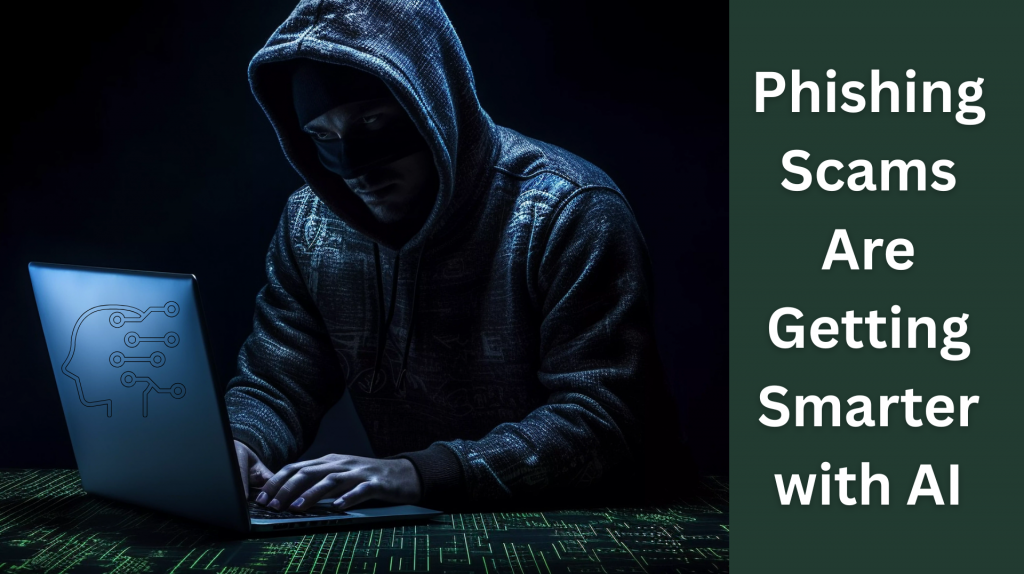
Cybersecurity Services Warning: Phishing Scams Are Getting Smarter
Experts in Cybersecurity Services Say AI Changes the Scam
The first-time generative AI came out, people discussed dynamic websites, automation, and AI business solutions. In most cases, however, these AI-linked apps may be different for each visitor. This is because content varies depending on the area, device, and individual information. This made it difficult to apply into everyday business processes as it was hard and sometimes not needed. However, on the other side of the fence, cybercriminals did not need AI to be perfect but rather only needed something believable. In fact, researchers in cybersecurity services have shown that this approach is potentially adapted for phishing attacks.
A New Kind of Threat
With AI tools, scammers only need to use a legitimate AI app to assist them in generating good content for their browser. This leads to a victim clicking on a harmless-looking link that may appear clean at first and with no obvious malicious code sitting there. What makes it worse is that one outcome for a phishing page can be changed from time to time in terms of its wording, design, and code. Furthermore, since there is no pre-existing fake website, security tools are less effective in detecting them early. For now, this method is not common yet, but pieces of it already exist. Because AI can assist in creating malicious code. Malware also increasingly builds itself while running. Hence, leading scams using AI to be on the rise.
Cybersecurity Services and Protection Must Also Evolve
AI is affecting the way phishing is detected. No more bad grammar and poor design, instead, scams are now going forward to appear legitimate and professional. As a result, modern cybersecurity should also focus on reducing damage. In these cases, multi-factor authentication (MFA) still helps. Additionally, using secure browsers adds protection on top of the importance of having an email filtering system. Individuals and business owners should remember that these phishing scams are not going away. On the contrary, they are becoming smarter. So, businesses will inevitably have to deal with professional-looking scams. Hence, companies should never rely upon seeing mistakes that are immediately apparent for protection.
You want to know how to better protect your teams and business processes? Talk to one of our expert and experienced IT and cybersecurity professionals!
Give us a call now!
Tech Insights From EB Solution
Watch Our Latest Tech Videos From EB Solution

Get A Free Immediate Quote For IT Services
From EB Solution Today.
Why choose EB Solution:
- Around-the-clock IT services
- Expert technology professionals
- Single source for all your IT
- Reliable data backup solutions
- Certified cybersecurity experts
Ready to make the move to EB Solution?
Fill out the form to the right to get your free immediate quote.