
Online scams once contained obvious warning signs. This is usually evident in the unusual wording and lack of grammatical structure. However, overtime, these immediate red flags are becoming less obvious with hackers imploring the help of AI. That is why cybersecurity firms constantly remind businesses to be extra vigilant. Today, well-crafted messages can be produced easily by criminals. For example, spam emails can be convincing and look like regular emails while messages have become excellent duplicates of trusted business contacts.
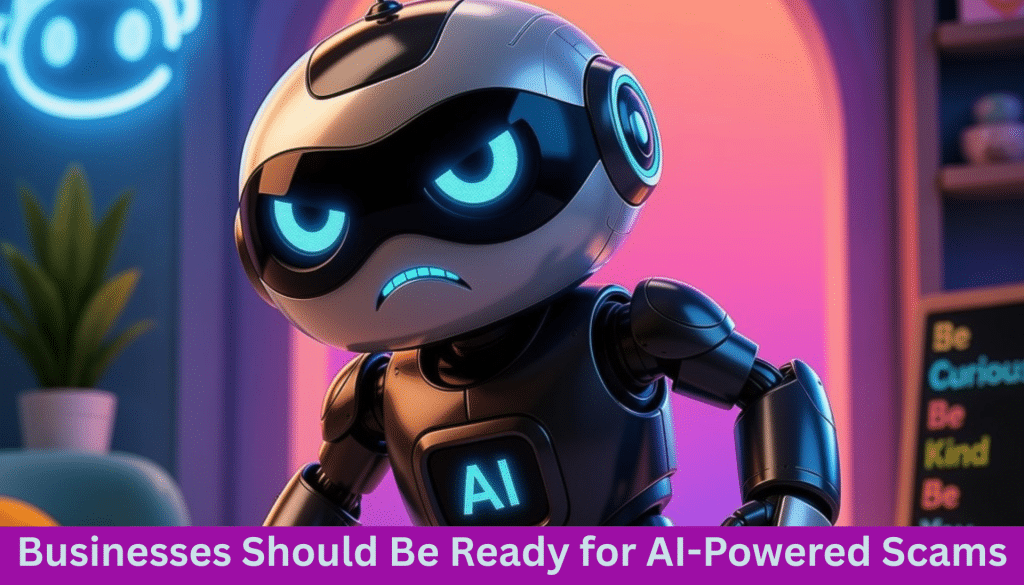
Cybersecurity Firms Warn Businesses to Prepare for AI-Powered Scams
Voice Cloning Changes the Threat
AI scams are not limited to email, warns cybersecurity firms. Voice cloning, for example, can copy a voice based on a few recordings. Criminals usually use public videos to provide enough audio material. So, imagine receiving a call from your manager and the voice sounds exactly like him. Then he says that you need to pay them immediately. This becomes critical without verification; employees might respond before questioning anything.
Cybersecurity Firms Warn of Deepfakes Adding Another Layer of Risk
Video calls can also create false confidence. Cybersecurity firms warn that Deepfake technology can imitate faces and voices. This is often used to make unusual requests appear more believable. So, businesses shouldn’t judge by looks alone. Sensitive requests, for example, need another verification method. This should be done regardless of whether it came from a familiar face. An extra layer of verification helps guarantee authenticity.
Create Simple Verification Rules
Many AI-powered scams can be prevented with strong procedures, explained by cybersecurity firms. In example, payment changes should require independent confirmation. Likewise, sensitive information deserves the same protection. Moreover, employees should use trusted contact details for verification. Never use numbers provided inside suspicious messages since there is the chance of a costly error with a separate confirmation step.
Train Employees for Modern Threats
Traditional phishing training still matters today. But awareness programs need to address new AI risks. As such, employees need examples matching current attack methods. In line with this, training should encourage careful verification without creating fear. This means staff should be at ease to challenge unusual requests. More importantly, reporting suspicious activity should be easy as well.
Technology Can Strengthen Your Defenses
Security tools still provide important protection. Email filtering, for example, can block many suspicious messages. In addition to that, Multi-Factor Authentication or MFA is another security measure that helps safeguard compromised passwords. Furthermore, network monitoring adds another valuable security layer. This will show any unusual account activity that will trigger early warnings. This faster detection often limits potential business damage.
Build Trust Through Verification
AI can bring enormous benefits to businesses. Unfortunately, criminals can use it, too. So, strong processes are necessary to help separate genuine requests from convincing scams. Here at EB Solution, we help businesses strengthen modern cybersecurity defenses.
Call our team now to combat these evolving digital threats!
Tech Insights From EB Solution
Watch Our Latest Tech Videos From EB Solution

Get A Free Immediate Quote For IT Services
From EB Solution Today.
Why choose EB Solution:
- Around-the-clock IT services
- Expert technology professionals
- Single source for all your IT
- Reliable data backup solutions
- Certified cybersecurity experts
Ready to make the move to EB Solution?
Fill out the form to the right to get your free immediate quote.